

Mother’s Day can be joyful for many families, but for countless women, it also carries deep sorrow. Bereaved Mothers Day is a time dedicated to honoring mothers who have experienced the heartbreaking loss of a child through miscarriage, stillbirth, infant loss, illness, accident or any other circumstance.
For grieving mothers, this day is more than remembrance. It is recognition. It reminds them that motherhood does not end when a child passes away. Their love, memories and connection remain forever.
In recent years, conversations around child loss awareness, grief support and emotional healing have become more open. This shift has helped many loss moms feel seen instead of isolated.
Whether someone lost a child recently or decades ago, Bereaved Mothers Day offers space for compassion, reflection, and healing.
Also Read:Best 50 Happy Mother’s Day Funny Quotes for Friends
The Meaning Behind Bereaved Mothers Day
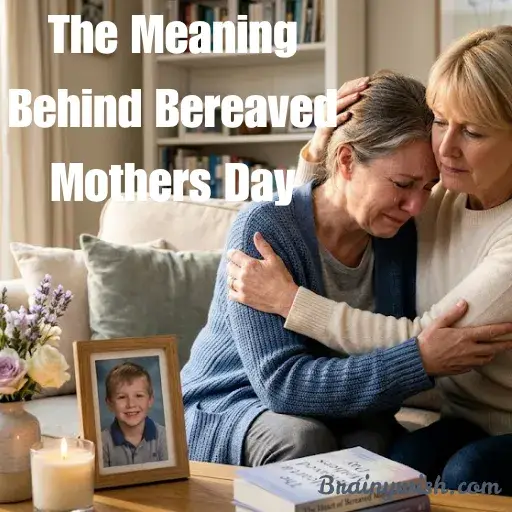
Bereaved Mothers Day is observed on the Sunday before traditional Mother’s Day. It was created to acknowledge mothers who carry grief alongside love.
Many grieving mothers struggle during standard Mother’s Day celebrations. Social media posts, family gatherings, and cheerful advertisements can intensify feelings of emptiness and sadness. Bereaved Mothers Day creates a gentler space where grief is understood without explanation.
The day recognizes mothers who have experienced:
- Miscarriage
- Stillbirth
- Infant loss
- Pregnancy loss
- Child illness
- Adult child loss
- Sudden accidents
- Military loss
- Addiction-related loss
No matter the age of the child or the circumstances, the bond between mother and child remains meaningful.
Why Bereaved Mothers Day Matters
Grief after losing a child is often described as lifelong. Society sometimes expects grieving parents to “move on,” but many mothers feel their pain stays quietly present every day.
This day matters because it validates emotions that are frequently hidden.
It Acknowledges Invisible Grief
Many mothers suffer silently, especially after miscarriage or stillbirth. Their child may not have been publicly known, yet the grief is deeply real.
Recognizing pregnancy loss and infant loss helps remove stigma and encourages open conversations about mourning.
It Reminds Mothers They Are Still Mothers
One of the most painful experiences for grieving women is feeling excluded from motherhood conversations. Bereaved Mothers Day gently reinforces an important truth:
A mother who loses a child is still a mother.
It Encourages Healing and Support
Support from family, friends, and communities can make a major difference during grief recovery. Even small gestures of remembrance can provide comfort.
Many mothers say being acknowledged matters more than finding perfect words.
Also Read:Best 100 Mother & Son Halloween Costumes
The Emotional Reality of Child Loss
The grief of losing a child affects every part of life. Emotional healing is rarely linear. Some days may feel manageable, while others bring overwhelming sadness.
Common emotions include:
- Guilt
- Anger
- Loneliness
- Anxiety
- Emotional numbness
- Fear of forgetting memories
- Difficulty celebrating holidays
For many women, Mother’s Day becomes emotionally complicated. They may want to celebrate their child’s memory while also mourning their absence.
A grieving mother might smile at family brunch while silently thinking about the child who is missing from the table.
That emotional complexity is what makes Bereaved Mothers Day so important.
Ways Bereaved Mothers Spend the Day
There is no “correct” way to observe Bereaved Mothers Day. Every grieving journey is personal. Some mothers prefer quiet reflection, while others find comfort in community remembrance.
Here are some meaningful ways loss moms honor the day.
Visiting a Memorial Site
Many mothers visit cemeteries, memorial gardens, or special places connected to their child’s memory.
Bringing flowers, letters, candles, or handwritten notes can feel comforting and symbolic.
Creating Memory Rituals
Simple remembrance rituals often help grieving parents stay emotionally connected to their child.
Examples include:
- Lighting candles
- Releasing balloons or lanterns
- Planting flowers or trees
- Looking through photographs
- Wearing memorial jewelry
- Writing letters to their child
These acts may seem small, but they often carry deep emotional meaning.
Spending Time Alone
Some grieving mothers choose solitude instead of social gatherings. Quiet reflection can feel emotionally safer than participating in traditional Mother’s Day events.
Taking a walk, journaling, praying, or simply resting can become a form of self-care.
Connecting With Other Loss Moms
Online support groups and grief communities have become powerful sources of comfort.
Talking with someone who truly understands parental grief can reduce feelings of isolation.
Many women say the most healing words are:
“I understand because I’ve been there too.”
Also Read:Best 100 Father’s Day Quotes Inspiring & Heartfelt Wishes
How to Support a Bereaved Mother
People often worry about saying the wrong thing to a grieving parent. Because of that fear, some avoid mentioning the child entirely. Unfortunately, silence can sometimes feel even more painful.
Support does not require perfect words. Compassion matters most.
Acknowledge Their Child
One of the kindest things you can do is say the child’s name.
Simple statements like:
- “I’m thinking of you today.”
- “Your child is remembered.”
- “You are still a mother.”
can bring comfort and validation.
Avoid Harmful Phrases
Some common statements may unintentionally minimize grief, including:
- “Everything happens for a reason.”
- “At least you have other children.”
- “You should be over it by now.”
Grief has no timeline. Compassionate listening is often more helpful than advice.
Offer Practical Support
Grieving mothers may struggle emotionally during holidays and anniversaries. Helpful gestures include:
- Sending flowers or a card
- Bringing a meal
- Offering childcare
- Remembering important dates
- Checking in regularly
Even brief messages can remind someone they are not forgotten.
Messages of Comfort and Remembrance for Bereaved Mothers
Words can never erase loss, but heartfelt messages can help grieving mothers feel seen and supported.
Here are a few meaningful examples:
Gentle Remembrance Messages
- “A mother’s love never ends, even after loss.”
- “Your child’s memory lives in every heartbeat.”
- “Thinking of you and your beautiful child today.”
- “You carry motherhood with incredible strength and grace.”
- “Love leaves permanent fingerprints on the soul.”
Supportive Messages From Friends and Family
- “I may not fully understand your pain, but I care deeply about you.”
- “Your child mattered and will always be remembered.”
- “You are not alone in your grief.”
- “Sending love, comfort, and peace to you today.”
These thoughtful words can help grieving mothers feel emotionally supported during difficult holidays.
The Importance of Talking About Pregnancy and Infant Loss
For many years, miscarriage and infant loss were rarely discussed openly. Women often felt pressured to grieve privately.
Today, awareness movements and support organizations are changing that culture.
Open conversations around:
- miscarriage grief
- stillbirth awareness
- neonatal loss
- maternal mental health
- trauma recovery
help families feel less isolated.
When society acknowledges these experiences, grieving mothers feel less invisible.
Coping With Mother’s Day After Child Loss
Traditional Mother’s Day can trigger grief unexpectedly. A restaurant advertisement, family photo, or social media tribute may bring painful emotions to the surface.
Coping strategies may include:
Setting Emotional Boundaries
It is okay to skip events, limit social media, or say no to gatherings that feel overwhelming.
Protecting emotional wellbeing is healthy, not selfish.
Creating New Traditions
Some families create remembrance traditions each year, such as:
- baking a favorite dessert
- donating to charities
- releasing butterflies
- volunteering in memory of the child
Meaningful traditions can provide comfort and continuity.
Seeking Professional Support
Grief counseling, therapy, and support groups can help mothers process complicated emotions in safe environments.
Healing does not mean forgetting. It means learning to carry love and grief together.
How Society Can Better Support Grieving Mothers
Bereaved mothers often feel unseen because grief surrounding child loss is uncomfortable for many people to discuss.
Small cultural changes can make a major difference.
Normalize Conversations About Loss
Talking openly about grief reduces shame and isolation.
Acknowledging child loss should not be considered taboo.
Include Loss Mothers in Motherhood Conversations
Recognizing grieving mothers during Mother’s Day celebrations can help them feel included rather than forgotten.
Motherhood exists even when a child is no longer physically present.
Encourage Compassion Instead of Silence
Many grieving mothers say they would rather hear imperfect words than complete silence.
Compassion matters more than perfection.
The Lasting Bond Between Mother and Child
One of the most powerful truths about grief is that love continues after loss.
A child may no longer be physically present, but memories, connection, and motherhood remain deeply rooted in the heart.
Many bereaved mothers describe continuing bonds through:
- dreams
- traditions
- memories
- spiritual connection
- acts of remembrance
Love does not disappear. It changes form.
That enduring connection is at the heart of Bereaved Mothers Day.
FAQ About Bereaved Mothers Day
What is Bereaved Mothers Day?
Bereaved Mothers Day honors mothers who have lost a child through miscarriage, stillbirth, illness, accident, or other circumstances. It is observed on the Sunday before Mother’s Day.
Why is Bereaved Mothers Day important?
It acknowledges the grief of loss mothers and reminds them that they are still mothers despite their loss.
How can you support a grieving mother on Mother’s Day?
Offer compassion, acknowledge their child, send supportive messages, and avoid minimizing their grief.
Is Bereaved Mothers Day only for infant loss?
No. It honors all mothers who have lost a child, regardless of the child’s age or the circumstances of the loss.
What do grieving mothers need most?
Most grieving mothers want understanding, acknowledgment, emotional support, and reassurance that their child is remembered.
How do bereaved mothers cope during Mother’s Day?
Many create remembrance rituals, spend time with loved ones, attend support groups, or take quiet time for reflection and healing.
Final Thoughts
Bereaved Mothers Day is a deeply meaningful reminder that grief and love can exist together. For mothers carrying the pain of child loss, acknowledgment can be incredibly healing.
Whether through remembrance rituals, supportive conversations or simple acts of compassion, this day helps grieving mothers feel seen and valued.
Motherhood does not end with loss. Love continues in memories, traditions, and the enduring bond between mother and child.

Hi, I’m James Walker, a dedicated blogger and content writer with 5 years of experience. At BrainyWish.com, I publish quotes, wishes, and meanings to inspire and inform readers. I believe words have the power to uplift and make a difference.